Genius Loci — an innovation in heritage enhancement and slow tourism: can it help contribute to the economic development of our regions? How did the COVID crisis accelerate this process?

The tourism industry has long been recognised as one of the main drivers of the global economy. It spans a wide range of activities, from international travel to hospitality, catering, transport, leisure and culture. Tourism not only offers opportunities for exploration and discovery, but also has a significant economic impact worldwide. In this article, we examine in detail the economic power of tourism — job creation, economic growth, investment, multiplier effects and the challenges the industry faces.
Tourism can contribute directly and indirectly to the economic growth of a country or region
Tourism stands out as a powerful economic driver set to gain further importance, according to Jeremy Boher. Tourism’s direct contribution to global GDP is around 3.1%. In France, the figure is estimated at 8%, and in Switzerland’s canton of Vaud at 7.2%. This covers the value generated by tourism industries — accommodation, catering, travel agencies, transport, cultural activities and retail of tourism-related goods — according to the World Tourism Organization (UNWTO). Tourism thus stimulates economic growth in several ways:
- Increased revenue: Tourism generates substantial revenue through travellers’ spending on accommodation, food, transport, leisure activities, souvenirs and more.
- Investment in infrastructure: The tourism industry requires infrastructure such as airports, roads, hotels and attractions. These investments drive long-term economic growth.
- Stimulus for other sectors: Tourism stimulates other sectors of the economy, including agriculture, fishing, culture, retail, the food industry and construction.
Balance of payments: Tourism can contribute significantly to a country’s balance of payments by bringing in foreign currency through international visitors’ spending.
It is also worth calculating tourism’s total contribution to the economy, including indirect and induced effects — intermediate consumption by tourism businesses, i.e. the goods and services they purchase from suppliers. According to the World Travel & Tourism Council, tourism’s total contribution to global GDP is 9.8%. That exceeds the contribution of the automotive, oil or agri-food industries. There is therefore a multiplier effect.
The multiplier effects of regional tourism
Multiplier effects are an important economic concept explaining how an initial tourism spend can trigger a chain of further spending in the economy. When a tourist stays in a hotel, the money spent benefits not only the hotel but circulates in the local economy. The owner may buy local products, hire local staff who in turn spend their wages in the region — creating a cascade of beneficial economic effects.
Multiplier effects can be greater in developing countries, where tourism can stimulate growth, reduce poverty and improve local infrastructure. They are also present in developed economies where tourism is a solid economic pillar.
Tourism as a driver of employment
Tourism is thus a global engine of economic progress and transformation, and a key sector for the least developed countries, where the industry represents 7% of international trade. It accounts for roughly 9% of jobs worldwide — about 280 million positions. According to apolitical, it is the leading employer for women and young people, and is mainly made up of small and medium-sized enterprises (SMEs), representing about 85% of active businesses. Here is how tourism drives employment:
- Direct jobs: Direct jobs are those directly linked to the tourism industry — hotels, restaurants, airlines, travel agencies, tourist attractions, guides and more.
- Indirect jobs: Indirect jobs are created in sectors linked to tourism but not solely dedicated to it — for example, demand for agricultural products, building materials and other goods and services rises with tourist inflows.
- Induced jobs: Induced jobs result from spending by employees in tourism and indirect sectors. When these workers spend their wages elsewhere in the economy, additional jobs are created.
- Seasonal and part-time jobs: Tourism offers many seasonal and part-time opportunities — beneficial for students, retirees and others seeking flexibility.
Challenges and opportunities of the tourism economy
Although tourism has considerable economic potential, it faces significant challenges, including:
- Seasonality: Many destinations have high and low seasons, making job stability and visitor flow management difficult.
- Environmental impacts: Mass tourism can have negative environmental impacts — overconsumption of resources, pollution and ecosystem degradation.
- Economic inequalities: In some regions, tourism’s economic benefits are not shared equitably, creating inequalities.
- Economic dependence: Excessive reliance on tourism can make economies vulnerable to market fluctuations and crises.
These challenges can also be opportunities to improve sustainability and inclusivity. Efforts to regulate overtourism, promote responsible tourism and invest in training for sector workers can maximise economic benefits while minimising negative impacts. COVID also accelerated the shift towards sustainable tourism.
Towards a more local and sustainable post-COVID tourism
Various factors can affect tourism growth and thus economic development — political context and security making access difficult for travellers, an economic crisis or a global crisis such as COVID.
According to the UN, the pandemic abruptly halted international tourism, highlighting the sector’s importance for national economies and individual livelihoods. Countries were forced to diversify, and according to UNWTO many destinations are developing domestic and rural tourism to help rural and crisis-hit local economies stimulate job creation and protect natural resources and cultural heritage. Priority shifted to national tourism within sustainable development or slow-tourism approaches. UNWTO notes this trend also reconnects populations with their heritage and broadens access to culture and cultural participation.
According to UNESCO, restarting post-COVID tourism is a central concern for many governments worldwide. The measures taken today will shape tomorrow’s tourism; the pandemic offered an opportunity to rebuild a stronger, more agile and sustainable sector.
Genius Loci meets the need for regional, more local and more sustainable tourism
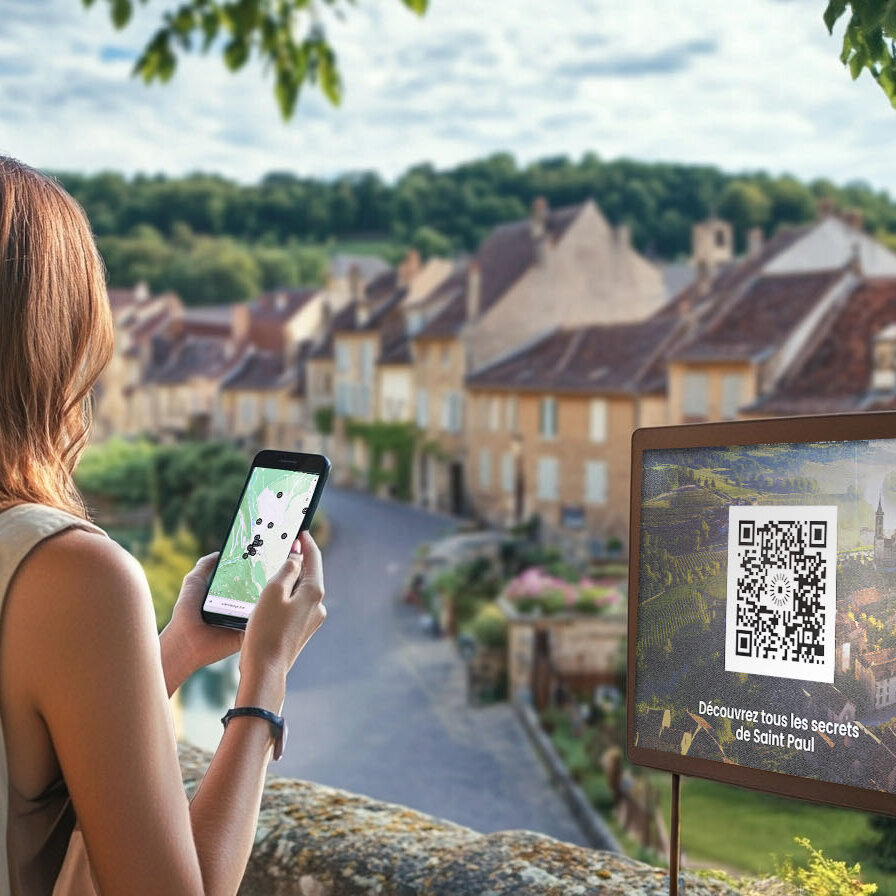
Genius Loci enables entire regions and territories to be enhanced sustainably and participatively. Foreign visitors enjoy unique, emotionally rich content — and local residents can rediscover their own region.
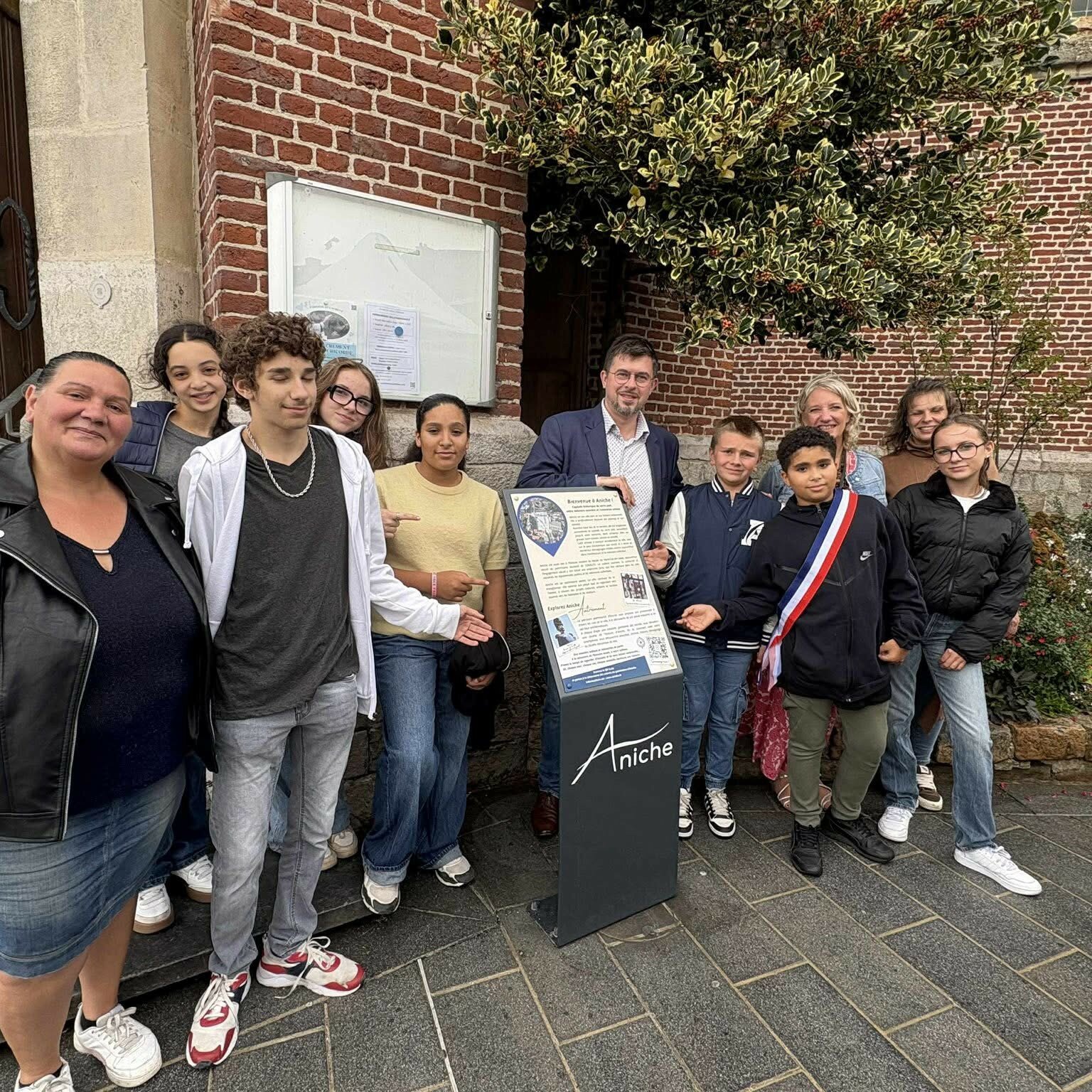
Visitor flows are currently too concentrated at major attractions. Some regions speak of overtourism. With the rise of more sustainable tourism, remoter regions and small villages have a chance to benefit from this economic windfall — yet they must know how to showcase their “small” heritage. Did you know a simple interpretation panel costs between CHF 2,500 and 5,000?
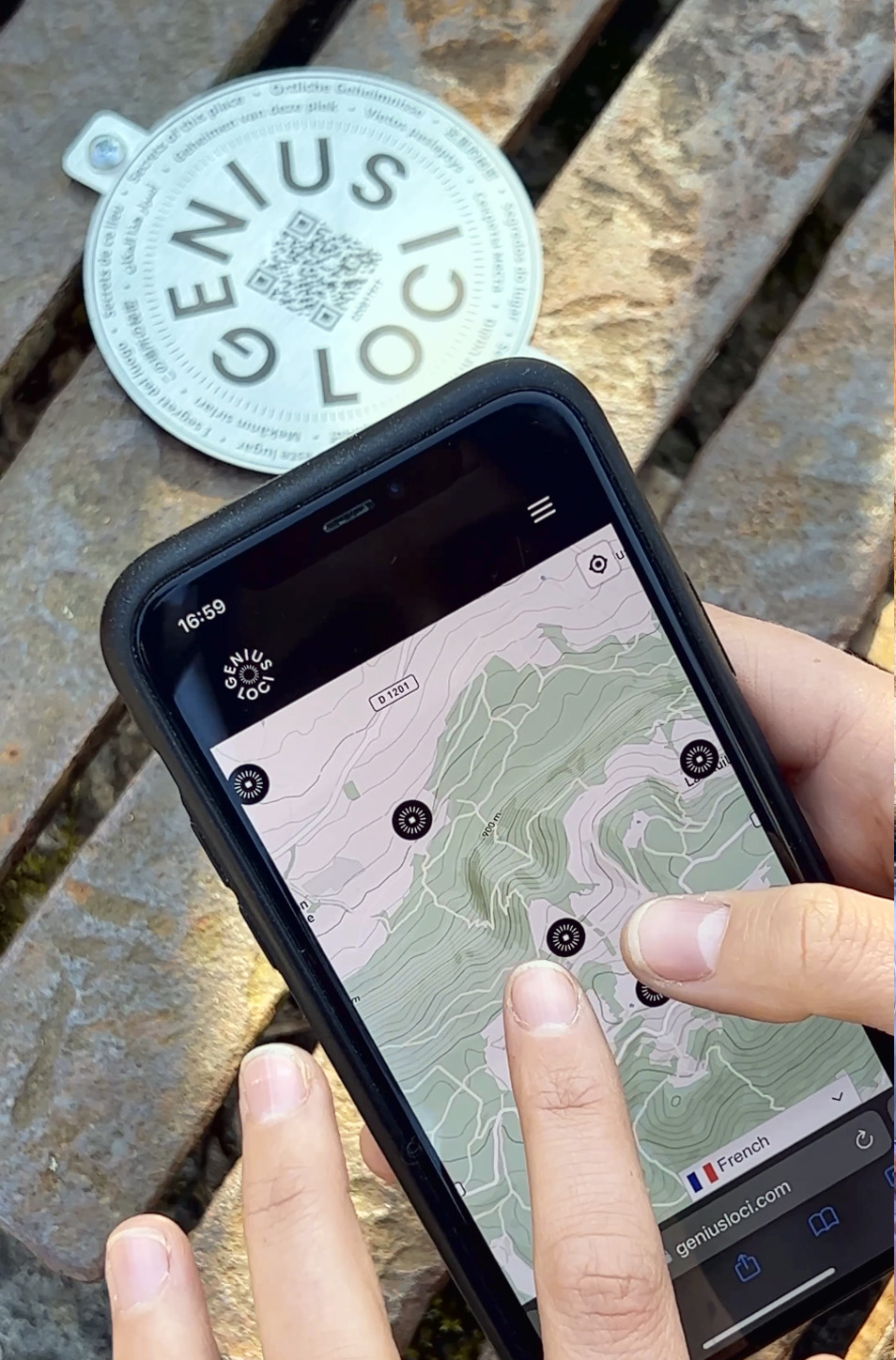
In Europe, only 517 sites are inscribed on UNESCO heritage lists and draw mass tourism. The other 200,000 settlements currently lack a heritage enhancement solution that meets their needs. The potential is nonetheless immense. Genius Loci connected medals fill this gap. The project can be rolled out across Switzerland, rich in local heritage, throughout Europe and beyond. We believe our medals can become genuine European tourism infrastructure — and a piece of street furniture.
Proximity tourism for responsible economic development
Tourism is far more than a leisure activity. It is a powerful economic engine contributing to job creation, growth, investment and infrastructure improvement. Yet this industry must be managed responsibly to maximise benefits and minimise drawbacks. By fostering sustainable, balanced tourism growth, destinations worldwide — even remote ones — can fully harness tourism’s economic power for their economies and populations. Genius Loci meets these needs.