This document is intended for tourism offices and for the municipalities responsible for infrastructure, tourism and heritage. It sets out to answer, clearly and pragmatically, the first questions that arise when a local authority is assessing Genius Loci as a tool for showcasing its area.
We already have a municipal app. What does Genius Loci add?
Most municipalities today have an effective app or municipal website. These tools serve an essential purpose: – inform residents – share official communications – offer practical services, such as recycling-centre opening hours or a list of local shops.
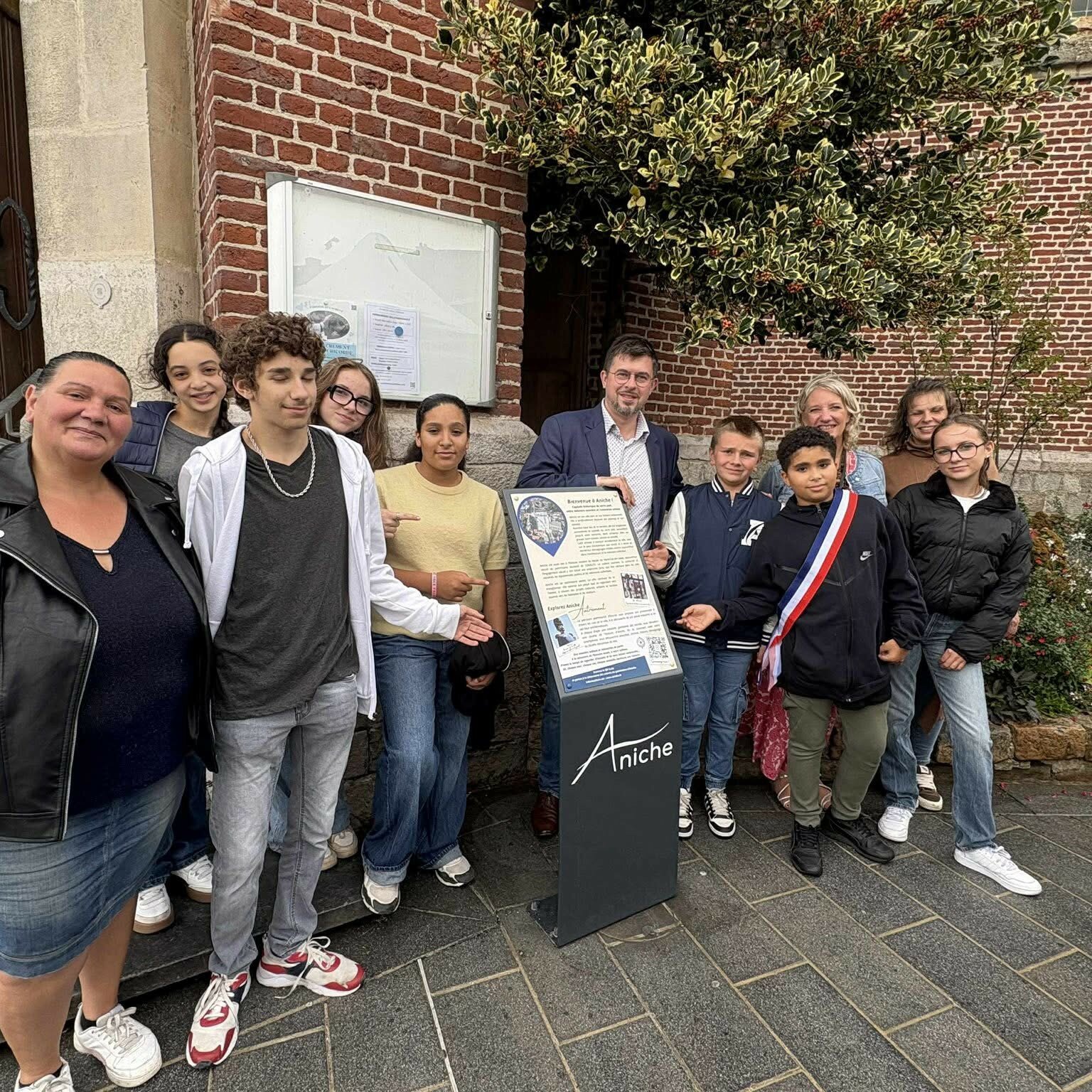
Genius Loci is not designed to perform those functions. It follows a different logic: on-site heritage interpretation. It is a large-scale municipal tourism infrastructure.
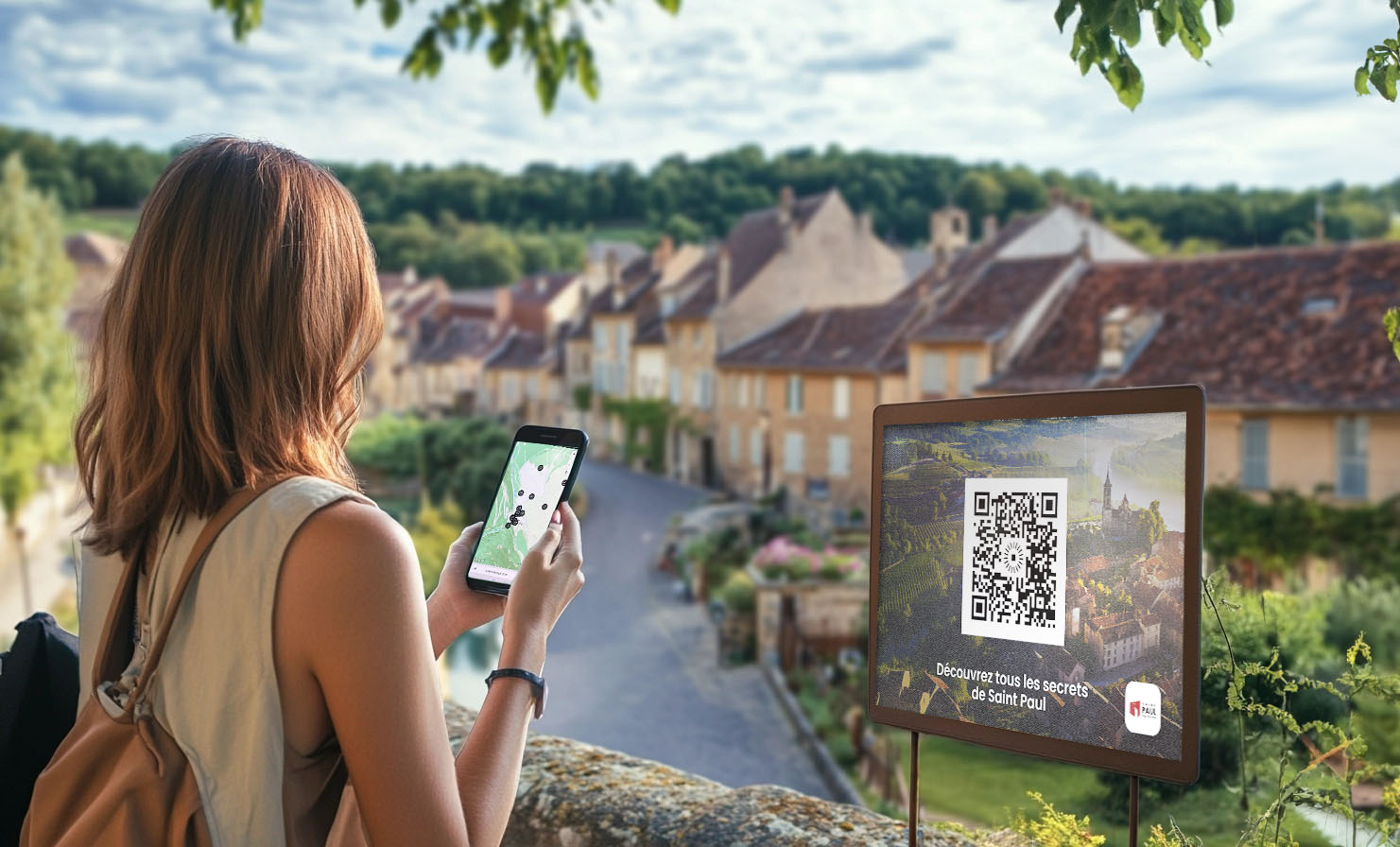
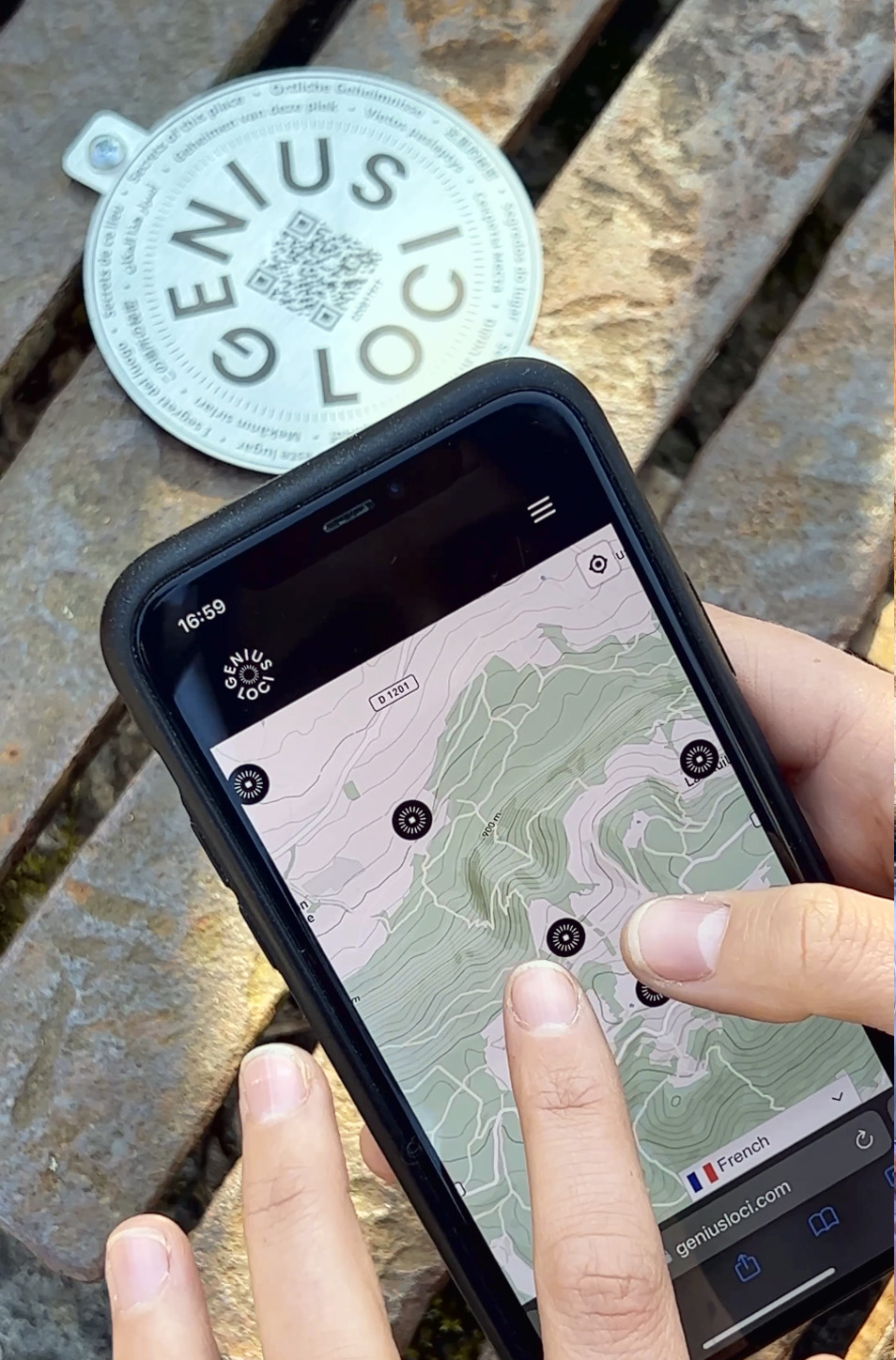
In practical terms, the user does not go looking for the information. It becomes accessible because they are physically standing in a specific place. A fountain, a building, a tree or a landscape thus becomes an entry point into a story. In practice, the two approaches are complementary: – the municipal app structures information – Genius Loci gives places meaning.
Why is this approach considered more modern than an app?
The modernity of Genius Loci does not come from spectacular technology (no 3D holograms, no lasers), but from how well it fits the way people use their phones today and from its long-term, future-proof potential.
From the user’s point of view:
- no download
- no account to create
- works on every phone
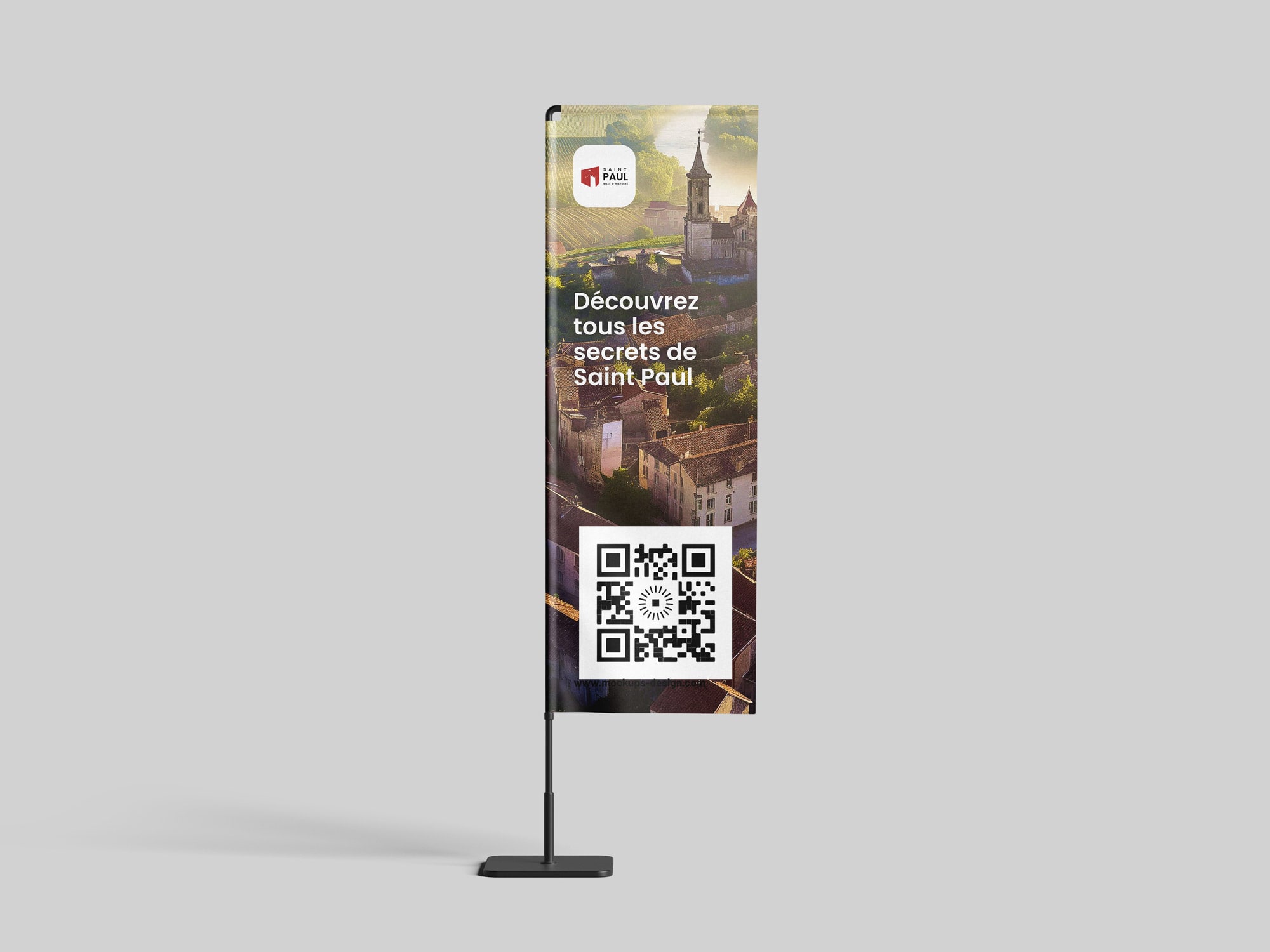
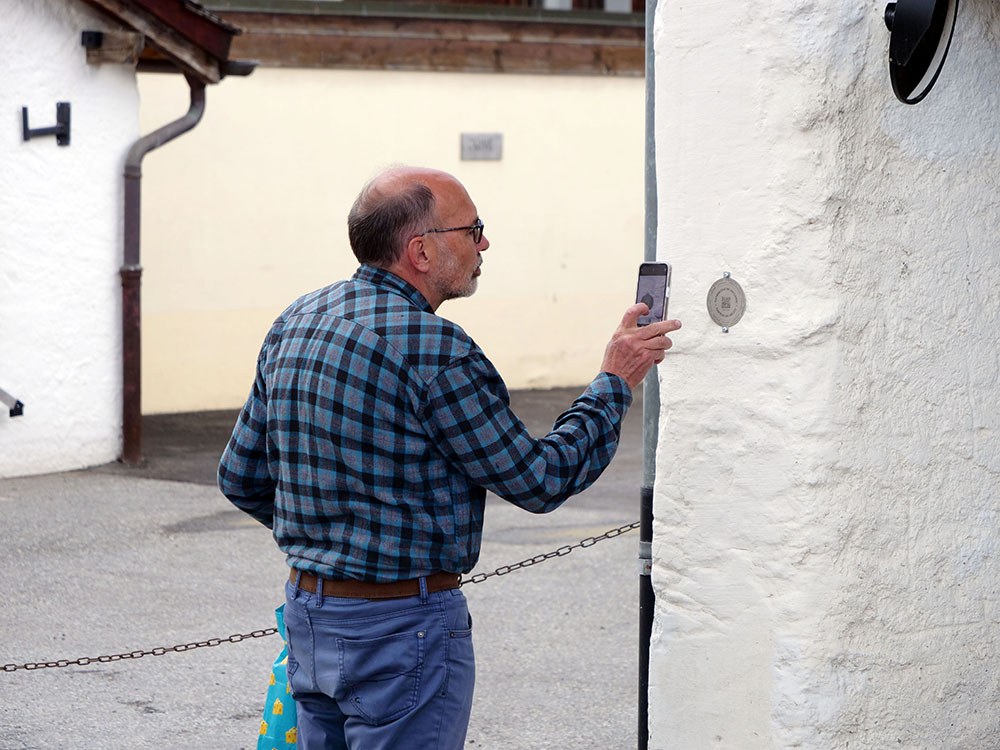
- instant access via a simple scan
For a local authority, this means:
- fewer barriers for visitors
- a solution accessible to less tech-savvy audiences
- lean, sustainable digital technology.
This approach is well suited to today’s expectations around local tourism and heritage promotion.
The key cost question: build in-house or rely on an existing solution?
When a project of this kind is studied, the cost question is often framed as: “What if we built the solution in-house?” Technically, a municipality can indeed:
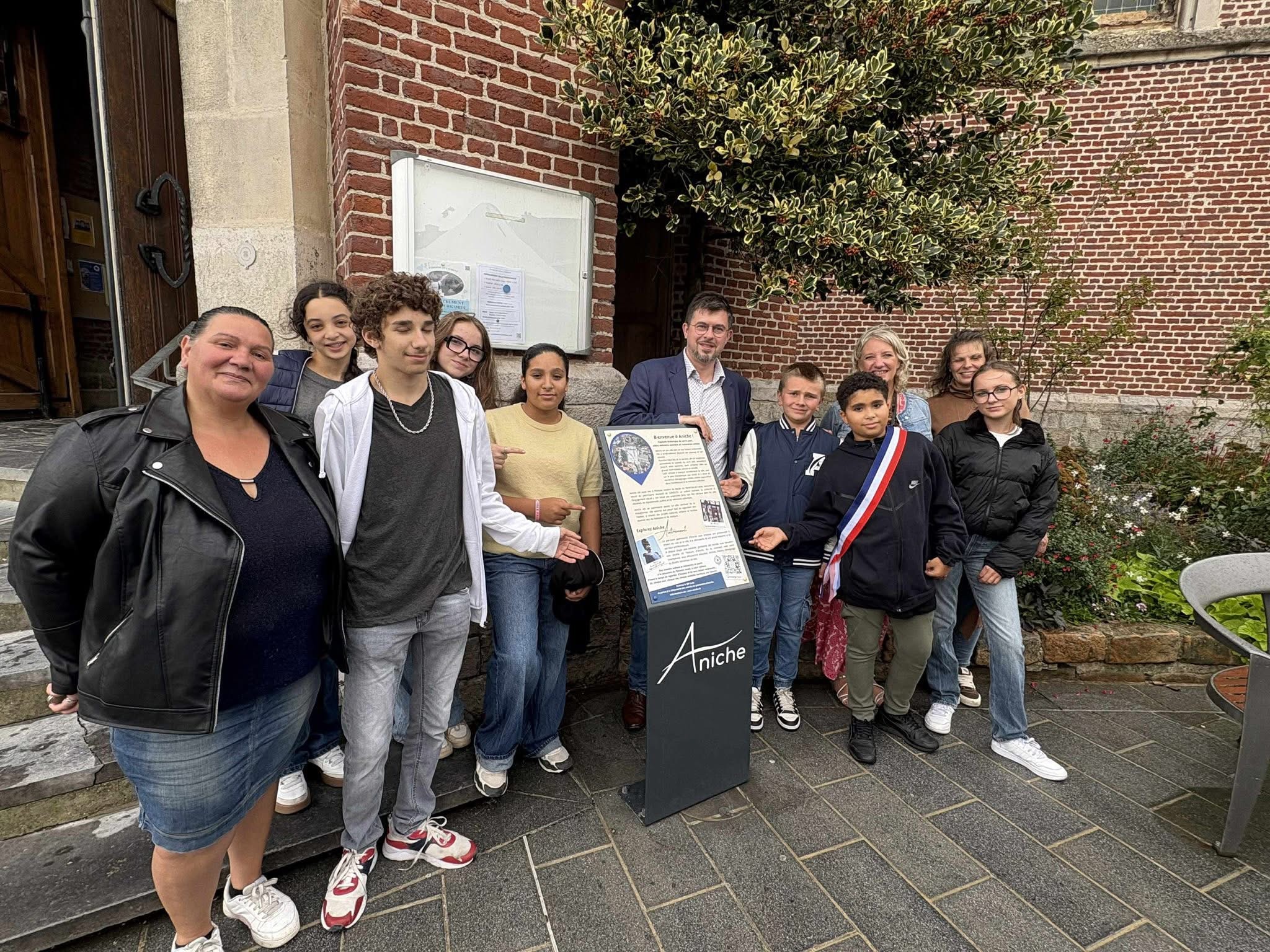
- install plaques with QR codes
- create dedicated web pages on the municipal site or on a site set up for the occasion.
This option can make sense for a very limited or temporary project. Experience shows, however, that difficulties arise quickly:
- content maintenance
- an often poor visitor experience
- multilingual management
- technical changes to the municipal website
- the complexity of maps and routes
- changes of service provider
Over several years, even for a basic website, these factors add up to a real overall cost, often between CHF 40,000 and 60,000 once internal staff time — rarely visible in budgets — is taken into account.
Focusing on the municipality's role
The role of a municipality, a heritage department or a tourism office is, above all, to:
- showcase the area
- tell its story
- strengthen local identity
- improve the experience of
visitors and residents.
It is not to shoulder the technical complexity of a digital platform.
With Genius Loci, the local authority does not build a tool. It relies on an existing,
proven solution and concentrates its resources on content, storytelling and bringing places to life.
A fundamental difference from a simple website
Genius Loci is far more than a website or a series of pages linked by QR codes. The project rests on the following:
- more than 4 years of design, testing and continuous improvement
- more than CHF 500,000 already invested in the platform, the infrastructure and the user experience
- a team from design-sprint.com, recognised for its expertise in designing complex, robust and durable digital products
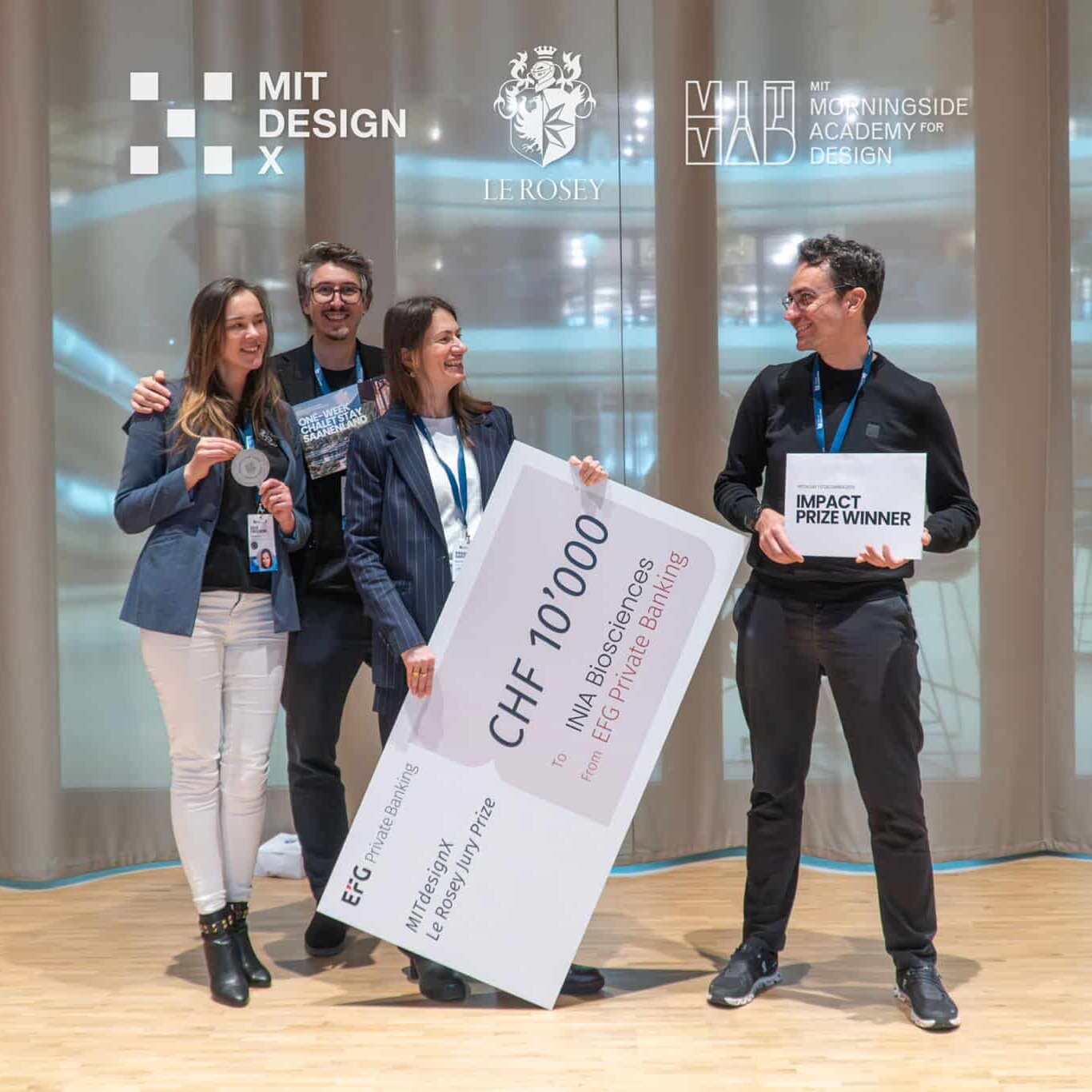
- a project supported by the MIT DesignX programme, a Massachusetts Institute of Technology accelerator dedicated to innovative solutions with strong societal and territorial impact
Support from MIT DesignX is a further mark of credibility: it reflects in-depth work on real-world use, the viability of the model and long-term impact, well beyond a simple technology project.
These elements explain why Genius Loci is today a mature, reliable and field-proven solution, a world away from one-off or experimental web development.
What is the return on investment?
For a local authority, the return on investment is not limited to direct revenue measurable within a few weeks. It is judged mainly in terms of territorial impact, visitor numbers and image over the long term.
Impact on tourism and local businesses
By enriching the visit, Genius Loci encourages visitors to:
- stay longer in the area
- explore lesser-known spots
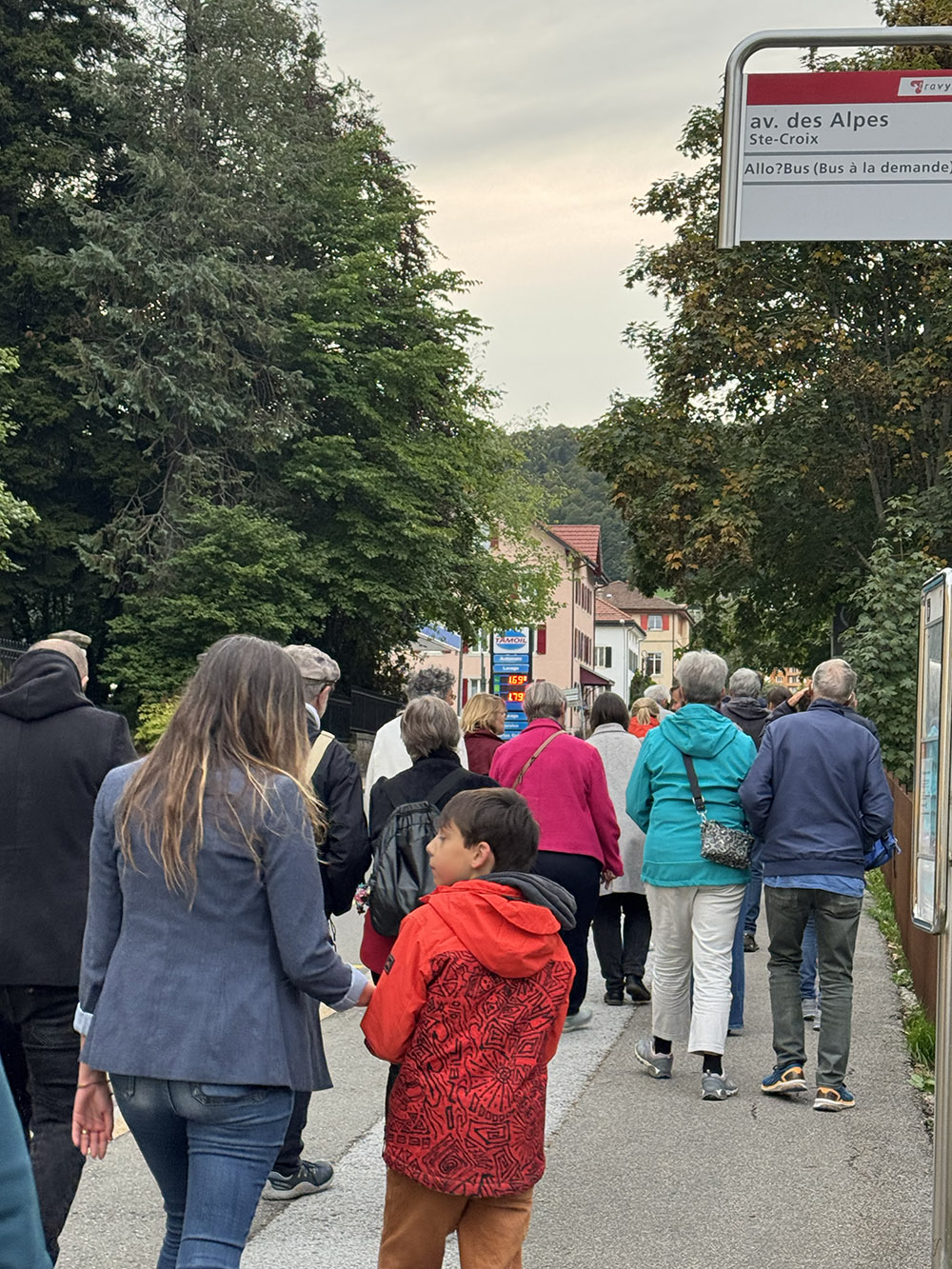
- walk between different places
These effects directly benefit local businesses (cafés, restaurants, shops, accommodation), increasing the time visitors spend on site and the occasions to spend money, without requiring additional heavy infrastructure.
Strengthening attachment to the area
Genius Loci is not aimed at tourists alone. Residents, too, discover stories, anecdotes and places they may have walked past for years without knowing what they mean.
This helps to:
- strengthen the sense of belonging
- showcase local history
- build a more emotional bond with everyday places
For a municipality, this attachment to the area is lasting intangible capital, essential to local cohesion.
Storytelling and the municipality's image
Through the stories offered, Genius Loci enables a municipality to take control of and shape its territorial storytelling.
Rather than being seen as a mere “commuter town”, a municipality can assert:
- an identity
- a history
- a distinct character
This image strengthens the area’s overall appeal — for visitors, new residents and economic players alike.