Episode 05 of Genius Loci the Story!The first real interface designs.
Moving on to graphic design and the first clickable prototype mock-ups with Figma
In our fifth episode, we lift the veil on a crucial stage in the creation of “Genius Loci”: interface design. And what better tool for this than Figma?
From the outset, “Genius Loci” was meant to be different. We did not simply want to create another app, but rather an immersive experience for users. This idea quickly took shape in our first mock-ups.
Imagining an approach other than Wikipedia
With Figma, we were able to visualise and test our ideas in real time, which allowed us to see immediately what worked and what needed adjusting.
When we began working on the first app views, it was clear we wanted to avoid looking like another Wikipedia. We wanted “Genius Loci” to be visually rich, with a large background image illustrating each place. Our first prototypes even featured a version of the logo with a strong Roman influence. Although the concept has evolved since, the essence has remained the same: highlighting the localised nature of places with details such as coordinates.
The right flow
But with any design, there are challenges. One of the main concerns was how to structure content. We wanted an interface that encourages discovery without being overwhelming. Figma allowed us to experiment with different flows until we found the one that felt most intuitive.
The secrets of places
We also introduced the idea of content “secrets” — little nuggets of information that tell the story of a place. Each “secret” would be written by a “Genius”, a kind of local ambassador, and users could also add their own stories. However, after a few tests, we realised this feature could be simplified to focus more on the Genius’s main story, while still allowing comments.
This design process, though demanding, was incredibly enriching. Every decision, every change was aimed at creating an unmatched user experience. The interface has evolved greatly since our first ideas, but with Figma we were able to visualise these evolutions at every stage.
Care for accessibility and readability
Julien, in particular, brought innovative ideas, such as switching from a black to a white background for better readability outdoors. He also suggested changing the wallpaper with each new “secret” discovered, adding visual dynamism to the experience.
Ultimately, using Figma to design “Genius Loci” was not just a technical choice, but a decision that shaped how we approached the project as a whole. It allowed us to iterate quickly, test ideas and get immediate feedback, bringing us closer to our final vision.
As we conclude this episode, we want to emphasise that “Genius Loci” is much more than a simple app. It is the product of our passion for heritage, merged with cutting-edge technology, all carefully designed.
Thank you for joining us on this journey of discovery and design.
Stay tuned for the rest of our adventures with “Genius Loci” !
Genius Loci the Story
Episode 12
Smapshot and Genius Loci

Episode 11
Genius Loci medal production at Afiro
Episode 09
Genius Loci looks back at 2024
Episode 08
Looking back at the creation of Genius Loci

Episode 07
Gold Medal at the Geneva Inventions Show

Episode 06
The Genilem Prize
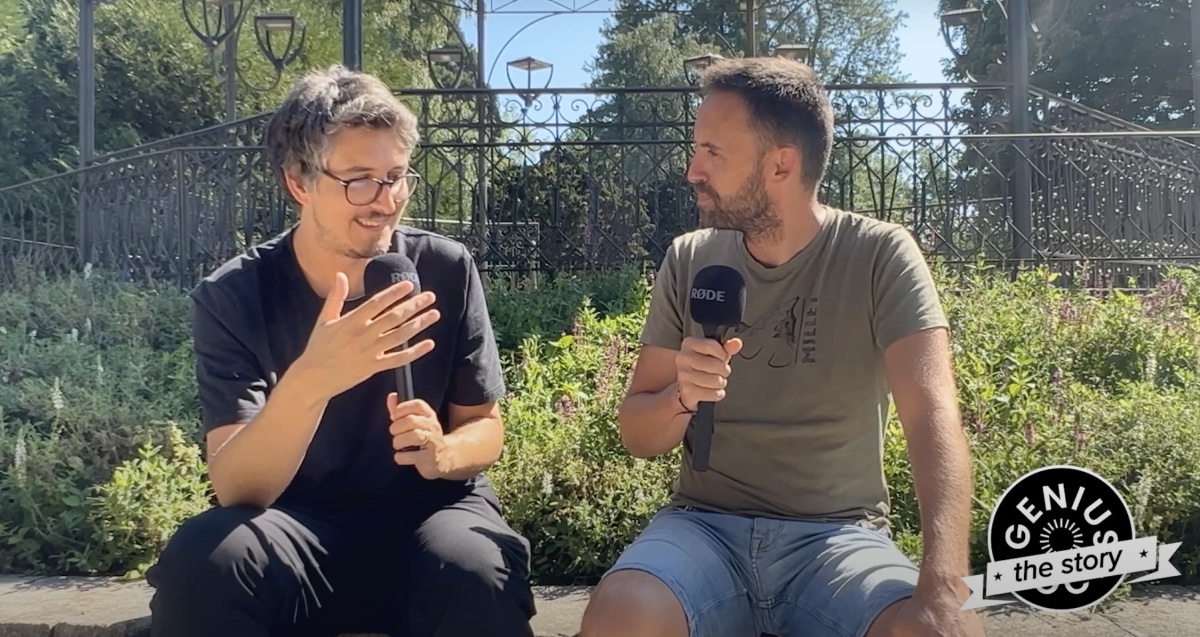
Episode 04
First tests
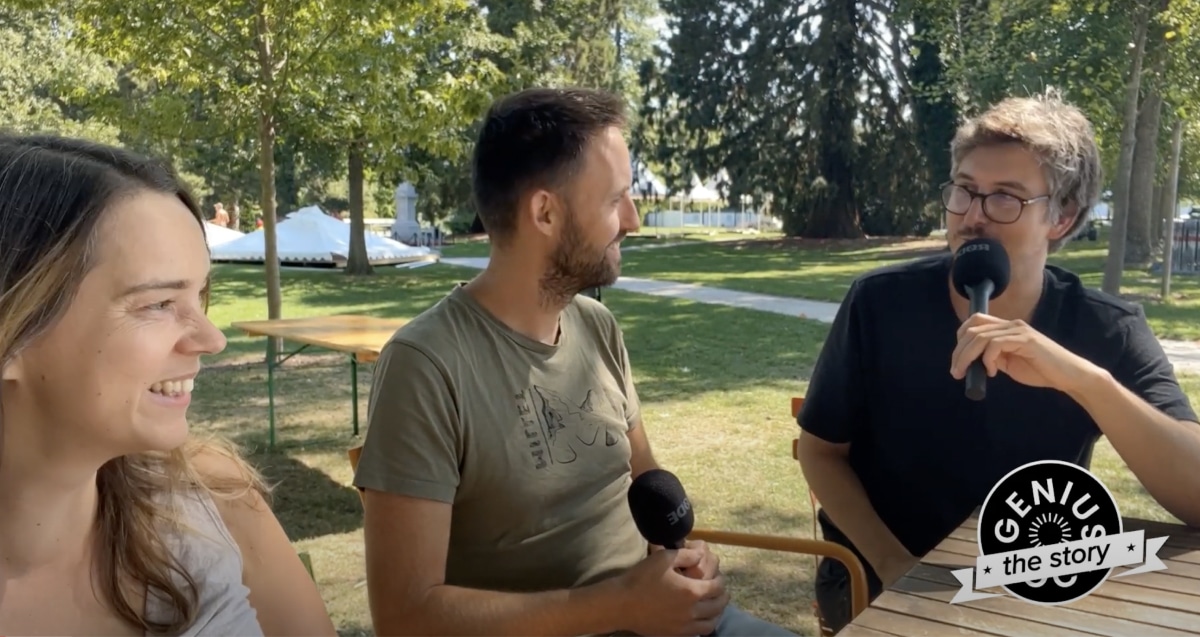
Episode 03
Pitching the Idea to Julien
Episode 02
The name
Episode 01
The Idea
Full pricing details are available in our brochure:
Pack
Medals
- 20 heritage medals & the digital solution
- Personalised medals
- Content hosting
- Training videos
Pack
Guided Support
- 60 heritage medals & the digital solution
- Genius Loci PRO included (1 year)
- Content hosting
- Personalised medals
- An in-person workshop with local residents in your municipality
- 1 dedicated technical contact
- WhatsApp group with ongoing support
AboutGenius Loci
2,000 years ago, the Romans believed every place was protected by a Genius Loci, the spirit of place.
Today, “genius loci” refers to the unique atmosphere of a place – its character, its history. The term is particularly used in architecture.
We have built on this idea to create a tool for showcasing and digitising heritage – driven by citizens themselves.
Founded in Switzerland by the designers of Design Sprint Ltd, Genius Loci SA finally makes hyperlocal destinations attractive. Truly affordable for municipalities, associations and local authorities.